| Status: | Active, open to new members |
| When: | Ad hoc |
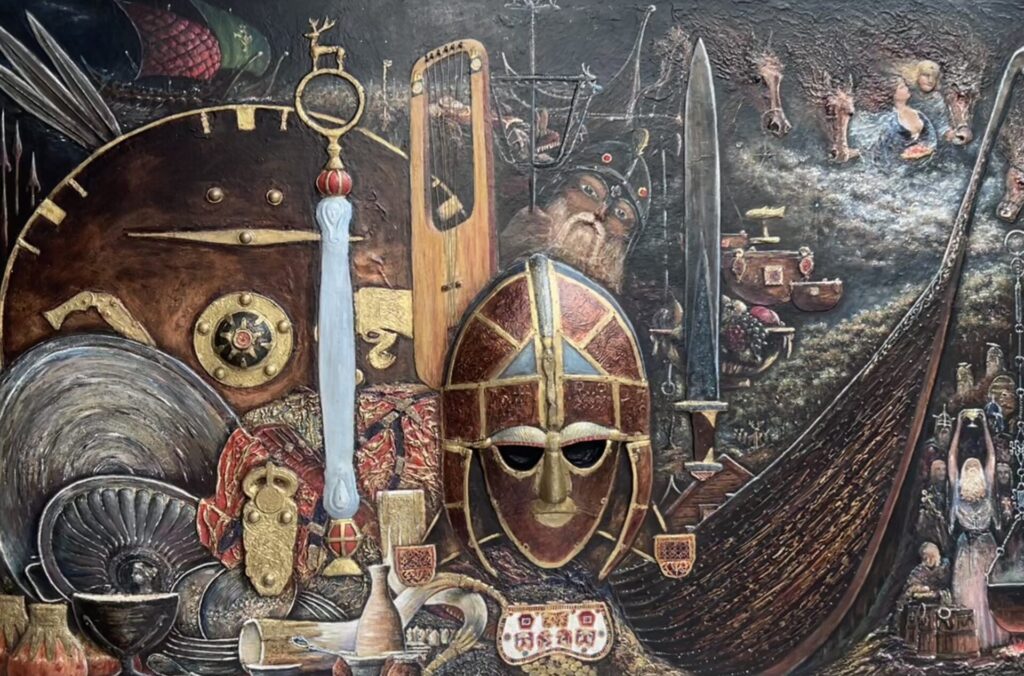
We are a group interested in investigating history by visiting historical sites and museums, within the Midlands and beyond.
We announce details of outings at our Monday Meetings. You can find more details of day trips and holidays by clicking on the Events Tab above. Some places we have visited in the past are described below.
Paphos Cyprus2026
Paphos Harbour and Fort


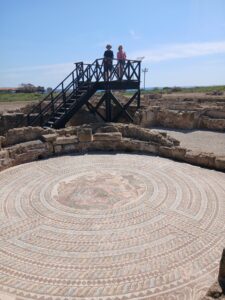
Archeological Park of Paphos
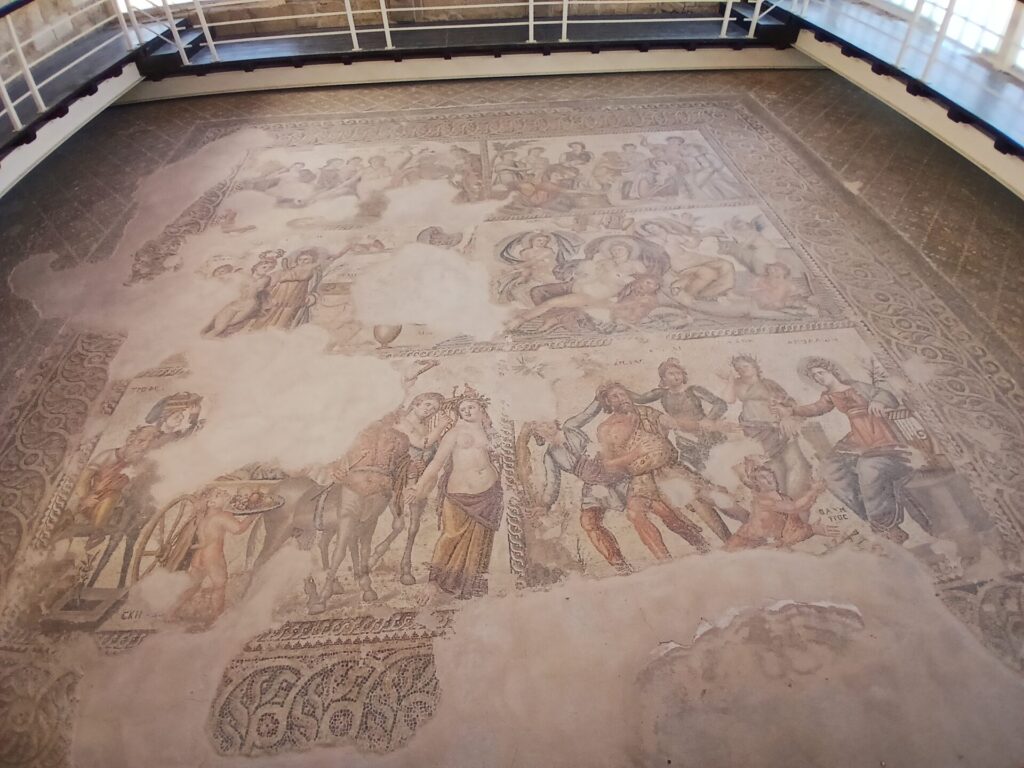
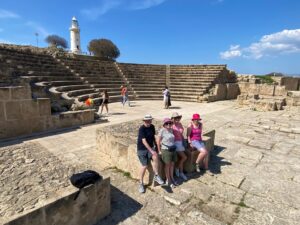
In Roman times many large villas were built near Paphos Harbour.
Archeologists have uncovered many beautiful mosaics.
The remains of the Forum, Market and Odeon can be seen
St Nicholas Church at Sunset Point

This little church was built in 2013.
The interior walls are covered in beautiful paintongs.

Ayia Kyriaki church and St Paul's Pillar Paphos
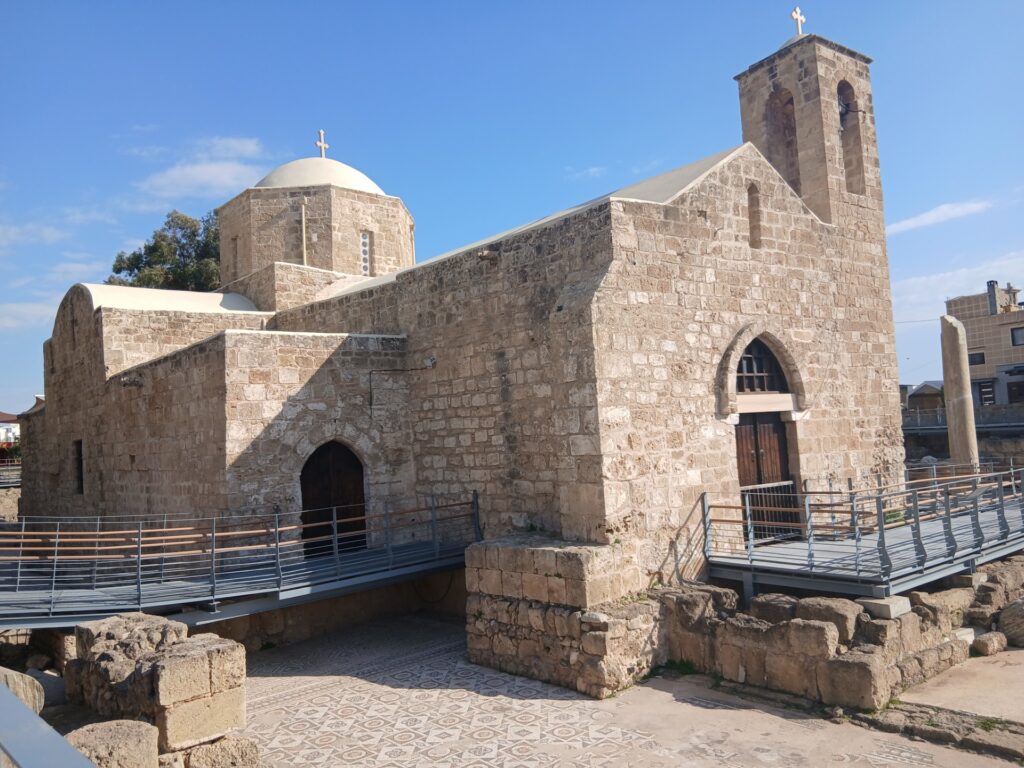
There has been a church on this site since the 4th Century AD.
This church is surrounded by the remains of their foundations.
Ayia Kriaki church was built in the 15th Century. It was was restored after being badly damaged by an earthquake in 1953.
Local tradition says that during his visit to Paphos, St Paul was tied to this pillar and whipped 39 times.

Historic Kent 2025
In October we went on a 5 day coach trip. Each day we explored a different Historical site.
Crossness Pumping Station

Also known as the "Cathedral of Sewage". Crossness Pumping Station is a Grade 1 Listed industrial heritage site in Bexley, on the south bank of the Thames. We were taken on a private tour, by a knowledgeable guide. He showed us the Victorian splendour and ingenuity of this Pumping Station.


In 1859 London sewage overflowed into the streets and the river Thames. Bazelgette the chief engineer of London designed a complete sewage system for the whole city. This ensured that sewage was collected and pumped downstream from the city. The Crossness pumping station was situated at the eastern end of the Southern outfall. The whole system was completed by 1865.
The sewers are still in use today, but the a modern pumping station been built near bye to replace this one.

Leeds Castle

The first Stone Castle on the site was built in 1119 on a pair of rocky islands in the river Len. Over the years its was enlarged and its defences improved. Henry VIII turned it into a fortified Tudor Palace. Many changes took place over the years. The extensive parkland was first laid out during the 18th Century.
The exterior of the castle today is the result of rebuilding in 1823.From the 1920's until the 1940's, the then owner, Lady Baillie, redesigned the interiors, 3 times. When we explored the castle, the interiors were recreated as they would have been for a 1930's House Party.

Canterbury
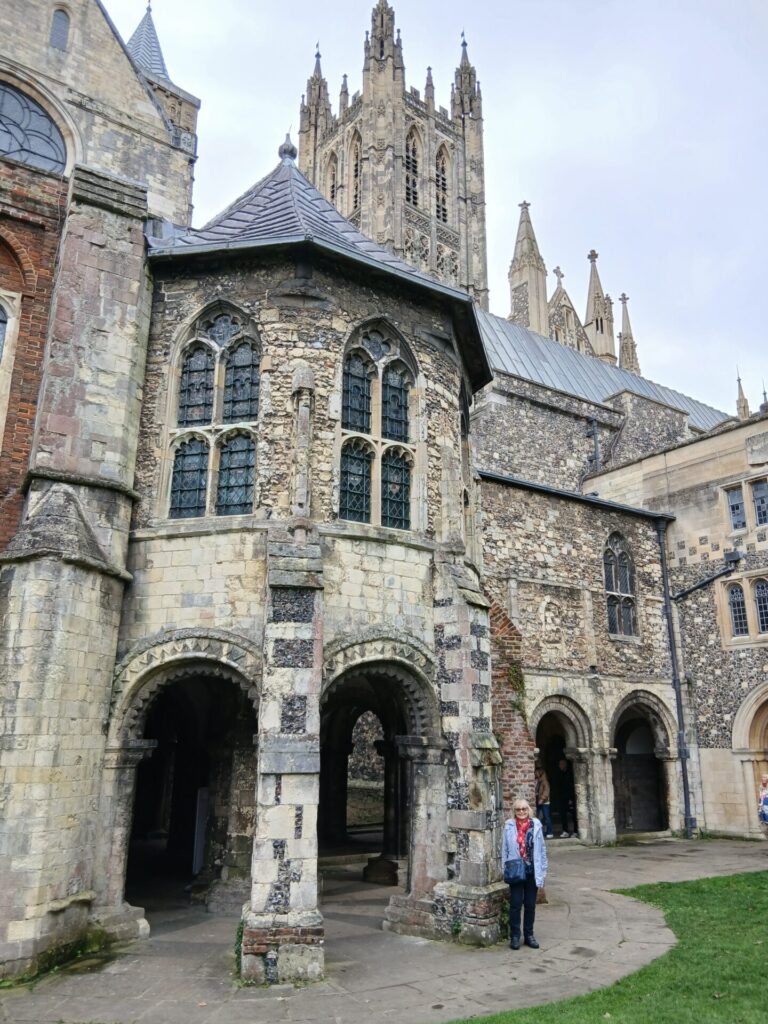
During our day in Canterbury, we explored its famous cathedral.
597 It was established in 597 by St Augustine, who became the first Archbishop.
1170 After Thomas Becket was murdered by four of King Henry 11's knights, it became an important place of pilgramage.
1540 Under King Henry VIII, the Reformation put an end to the monastery at the cathedral.
1642 The Cathedral was damaged during the Civil War
1840 The North West tower is the latest addition in over 650 years of building work.
1942 Firewatchers risked their lives to successfully save the Cathedral during major bombing raids over canterbury in World War II
Chatham Historic Dockyard

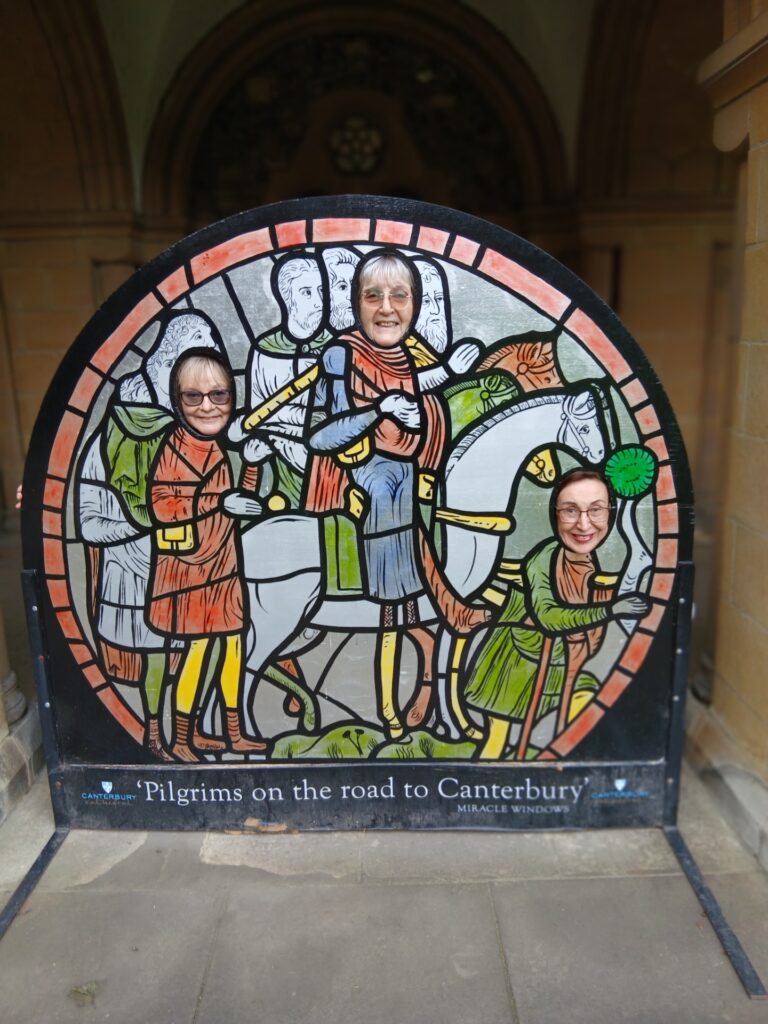
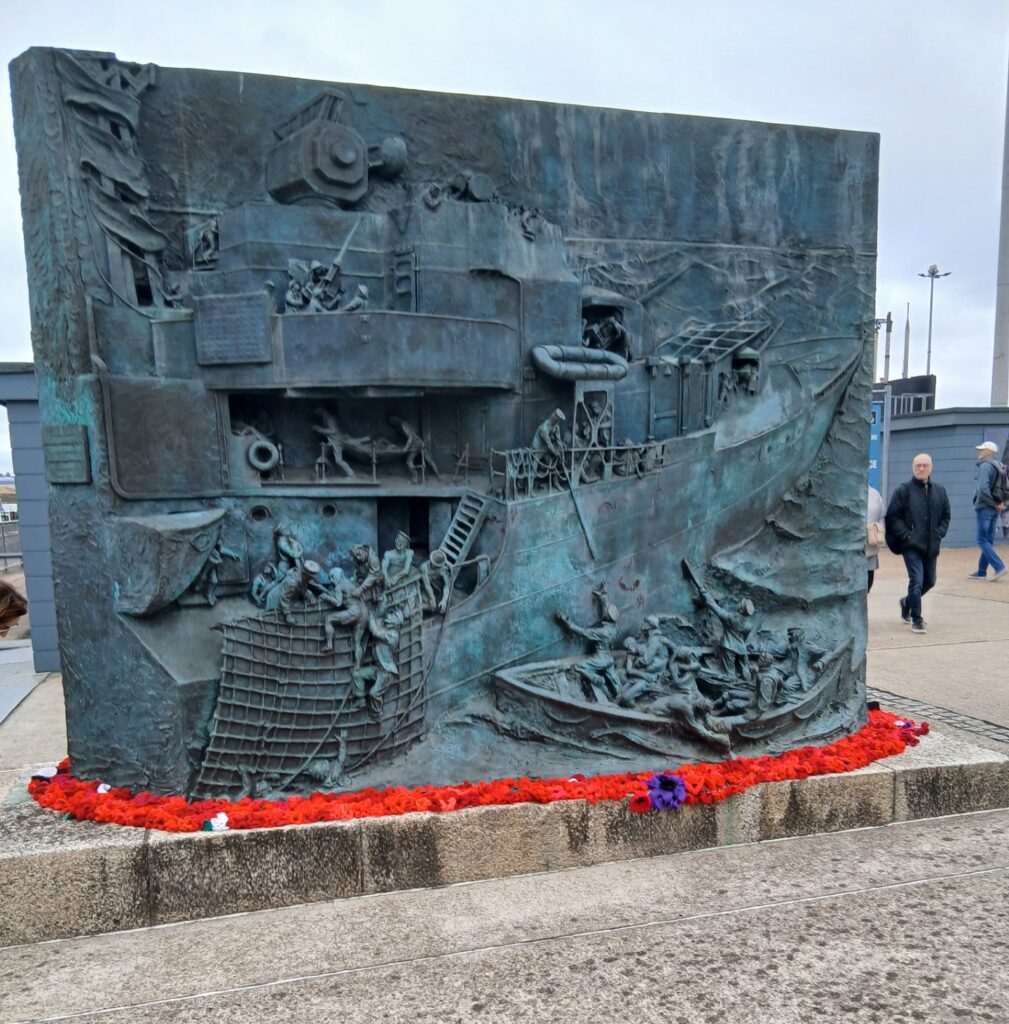
We started the day with a guided tour around the Dockyard in our coach. Afterwards we had free time to choose what to explore at our own pace.
There were three naval ships to visit:- HMS Gannett a Victorian Sloop, HMS Cavalier a second world war destroyer and HM Submarine Ocelot, the last warship built at Chatham for the Royal Navy.
The many buildings housed exhibitions included:-
- Britain's only working Ropery
- Steam, Steel and Submarines - the Evolution of Shipbuilding
- RNLI Historic Lifeboat collection
- The largest covered slip in Europe
- No 1 Smithery displaying the stories of many shipwrecks, with a Lego model of each one
- An audio visual exhibition

Chartwell
On our way home we visited Chartwell. It was the private home of Winston and Clementine Churchill from 1922 until his death in 1965. Now owned by the National Trust, the rooms are decorated as they would have been in the 1930s.
All the walls in the house and studio are covered with Churchill's paintings. The house is full of memorabilia including
- Uniforms
- His distinctive boiler suits
- Medals
- Gifts from dignatories all over the world
- Photographs
- Books

Autumn in the Grounds of Chartwell
Winston was very fond of the gardens which he redesigned.


In March 2025 we had a holiday in Paphos, Cyprus.
During our enjoyable holiday at the Athens Beach Hotel in Paphos Cyprus, we had the opportunity to learn more about the history of the area. There were 2 archaeological sites within a short bus ride of our Hotel.
Tombs of the Kings

The Tombs of the Kings was designated a UNESCO World Heritage Site in 1980. The remains are situated on a rocky cliff top.
The underground tombs many of which date back to the 4th century BC, are carved out of solid rock, and are thought to have been the burial sites of Paphian aristocrats and high officials up to the third century AD (the name comes from the magnificence of the tombs; no kings were in fact buried here). Some of the tombs feature Doric columns and frescoed walls. The tombs are cut into the rock and at times imitated the houses of the living.
Archaeological excavations are still being carried out at the site. Part of the importance of the tombs lies in the Paphian habit of including Rhodian amphorae among the offerings in a burial. Through the manufacturing stamps placed on the handles of these amphorae, it was possible to give them a date and, through them, the other material from the same burial.


Paphos Archaeological Park
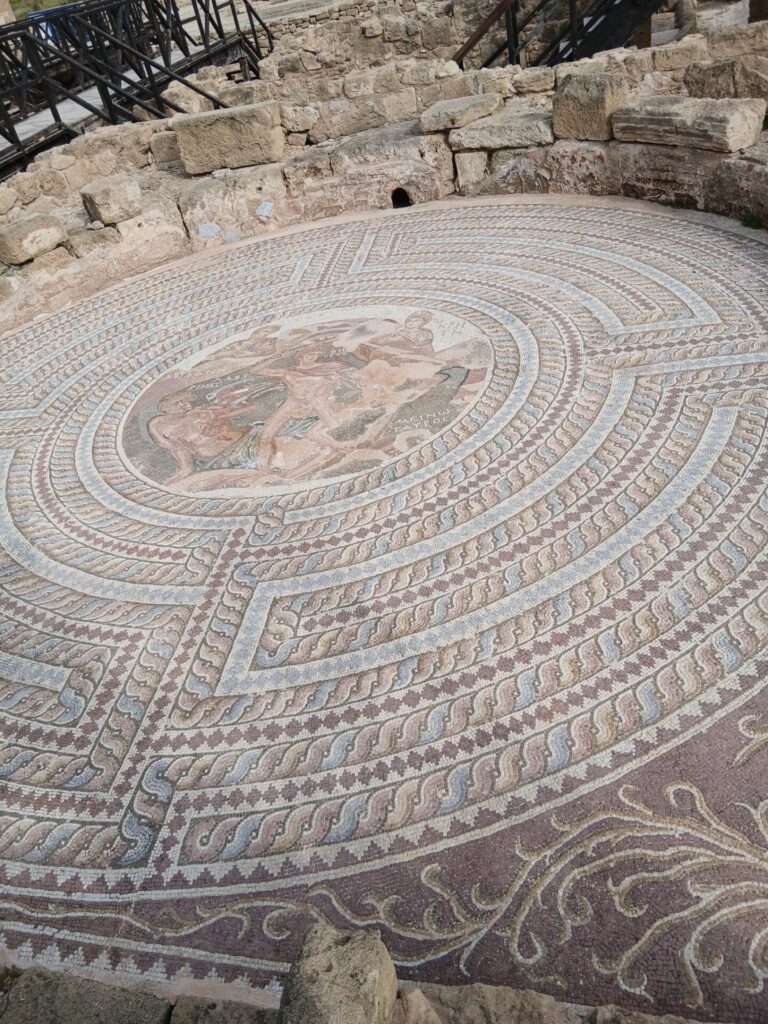
Paphos Archaeological Park contains the major part of the important ancient Greek and Roman city. The park, still under excavation, is within the Nea Pafos ("New Paphos") section of the coastal city. The main entrance is by Paphos harbour.
Its sites and monuments date from prehistoric times through the Middle Ages. Among the most significant remains discovered thus far are four large and elaborate Roman villas, all with superb preserved mosaic floors In addition, excavations have uncovered among other ruins an agora (market place) and an amphitheatre.

Troodos Mountains and Monasteries
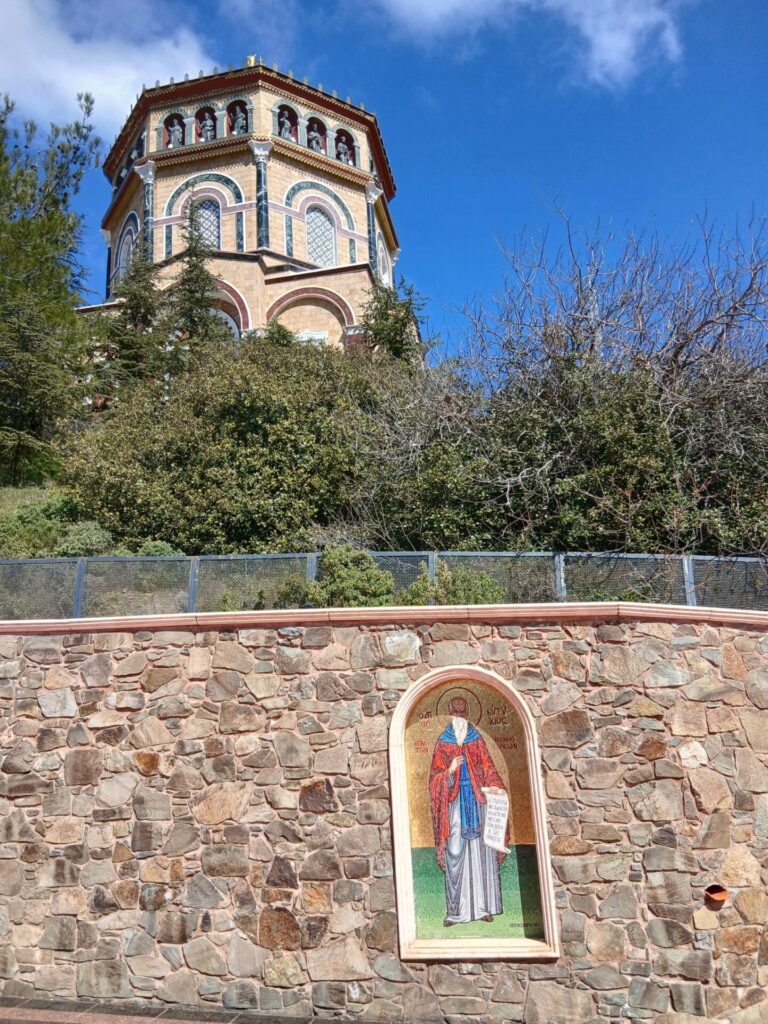
Some of our group took the opportunity to visit these mountains on a coach trip from the hotel. We visited 2 monasteries and the tomb of Archbishop Makarios hidden high in the mountains.
Chrysoroyiatissa monastery

Chrysoroyiatissa monastery is dedicated to Our Lady of the Golden Pomegranate located about 40 kilometres north-east of Paphos, high in the mountains, at an altitude of around 820 meters. It was founded by a monk called Ignatius in the 12th century. It lies 1.5 kilometres from the village of Panayia, birthplace of the late Archbisop Makarios.The present building dates to 1770.

Kykkoss Monastery

Kykkoss Monastery is one of the wealthiest and best-known Monasteries in Cyprus
The Holy Monastery of the Virgin of Kykkos was founded around the end of the 11th century by the Byzantine emperor Alexios Komnenos (1081–1118). The monastery lies at an altitude of 1318 meters on the north west face of Troodos mountains. There are no remains of the original monastery as it was burned down many times. It contains numerous elaborate mosaics and icons.
Among its many elaborate mosaics and paintings is a famous Icon of the Virgin Mary. The top part is hidden behind a cloth as legend says that anyone who sees it will become blind. It is believed to have been painted by the Evangelist Luke.
Throughout the centuries locals have revered the icon and have attributed miracles to its presence. In 1760 a success in the struggle against locust devastation, a frequent problem of the time, was believed to be the work of the icon. The icon has also served as a template for other paintings depicting the Madonna in eastern Orthodoxy. The icon is never looked at, and its top half remains hidden behind a protective covering as it is said that whoever looks at it will be blinded. The last person to have seen the icon was the Pope and Patriach of Alexandria, Gerasimos, in 1669. The icon is rarely uncovered, although this happens on occasion. In recent years there had been a drought affecting Cyprus, in response to which the fathers took the icon to her throne, and read special supplications for rain, whilst looking away from the uncovered icon.

Tomb of Archbishop Makarios
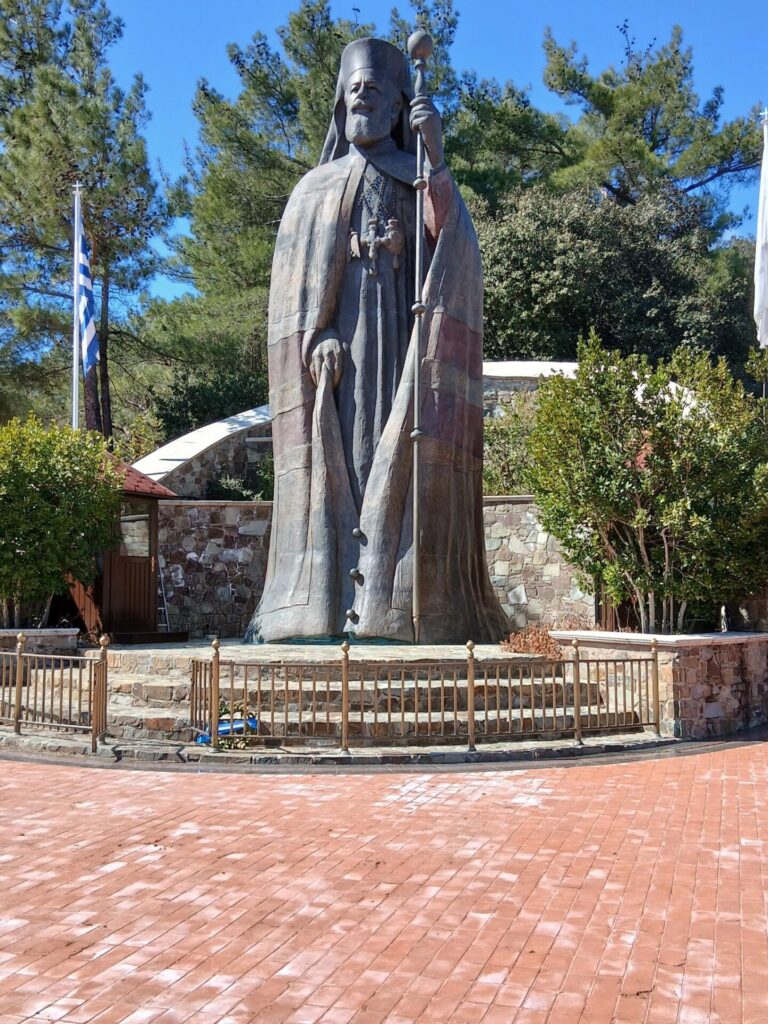
The first President of Cyprus, Archbishop Makarios, started his ecclesiastical career at Kykkoss as a monk in 1926. He remained fond of the place and returned there many times. His request to be buried there materialised after his death in 1977. His elaborate tomb, guarded by soldiers, lies at the top of a hill 3 km west of the monastery.
We visited Hill Close Gardens Warwick during their Snowdrop Festival

Hill Close Gardens are a rare example of restored Victorian detached gardens. They were originally owned or rented by Warwick residents. The gardens are located between the Market square and Racecourse. They are a quiet place to retreat from the town centre, only a short walk away.
The 16 remaining gardens have been lovingly restored so you can enjoy the peace and tranquillity of these hidden gardens while learning about their history.
The gardens are now managed by a charity and supported by many volunteers.
When we visited there were beginning to show signs that spring was coming. We saw many clumps of snowdrops scattered through the gardens, often accompanied by a poem, written on slate.
In 1845, The sloping Hill Close pasture land began to be divided into large garden plots which Warwick tradesmen rented.
They planted apple trees, grew vegetables and flowers. Pig styes and glasshouses were built, and poultry kept.
Brick and wood summerhouses were also built. The brick structures even had fireplaces and chimneys providing warmth and enabling tea to be brewed and bread toasted. They provided a shelter from rain and a view across the common.
Each garden has a notice board supported by a garden spade, listing all the past owners and tenants of the plot. These included among other occupations - Butchers, Bakers, Greengrocers, Pharmacists, Accountants, Inn Keepers and Lodging House Keepers.

During our Holiday In the Cairngorms, we visited :---
Glamis Castle
Glamis has been the ancestral seat to the Earls of Strathmore and Kinghorne and their Lyon predecessors since King Robert II granted the Thanage of Glamis to Sir John Lyon in 1372.
The Castle as we know it today was built from the 1400s and has been on a grand journey through Scottish history for over 600 years. Once host to Mary, Queen of Scots, Glamis is said to have inspired one of Shakespeare’s most famous plays, Macbeth.
Glamis also has a deep connection to today’s Royal Family as it was the Scottish childhood home of Her Majesty Queen Elizabeth The Queen Mother and birthplace of HRH Princess Margaret.

During our 5 day holiday in Porthcawl we investigated among other places:---
The Royal Mint
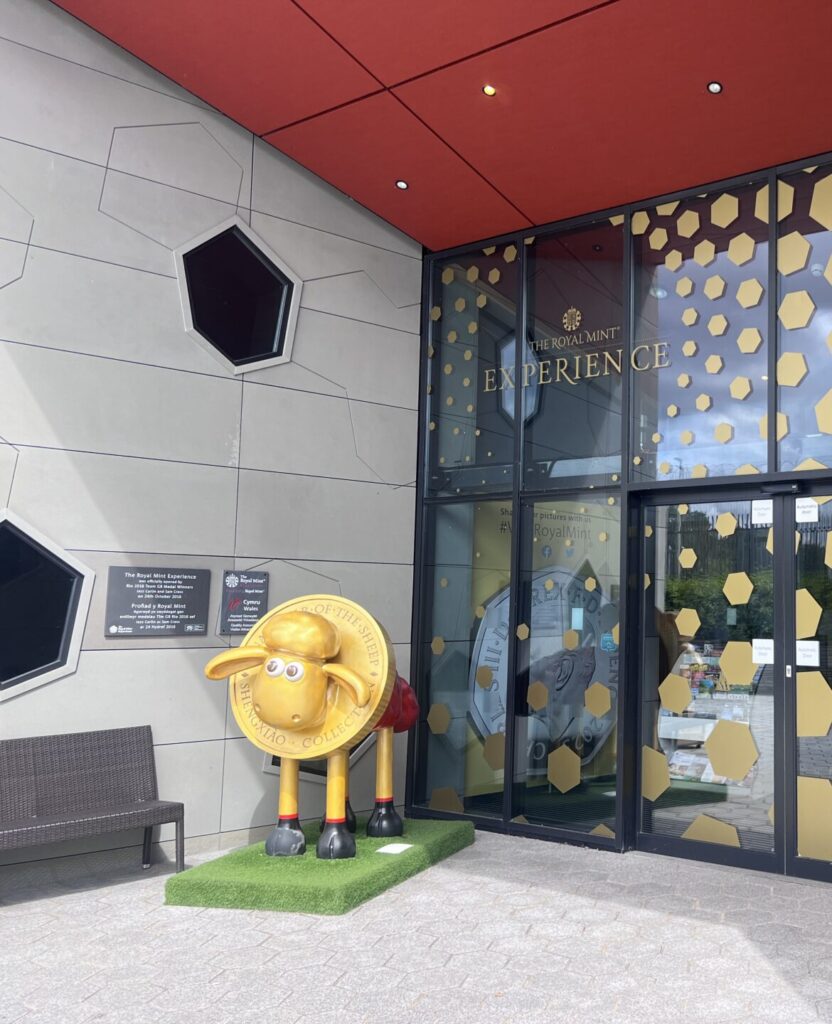

We had a conducted tour round the Royal Mint. Once we got through the strict security, our excellent guide took us round the exhibits telling us about the history of coin manufacture in the U.K. We learnt about history of the Mint in London before it was moved to Wales. Over the years the mint has had to design coins to meet many challenges. When they were made of gold and silver, criminals would clip fractions of metal from the edges. Nowadays the design has to make forgery difficult. We watched, through armoured glass, machines turning "blanks" into coins. The Royal mint does not only make coins for the UK. They make coins for other countries as well. As the use of coins has decreased (especially since the Covid epidemic) more of their business is in the manufacture of medals. A fascinating morning was had by all.
St Fagan's Museum
This extensive museum has been developed like the Black Country Museum by carefully moving shops, houses, agricultural buildings etc from all over Wales. We were lucky to have a fine day to wander along the streets. Most of the buildings were furnished in the period in which they were built. We could imagine people living in them.
Porthcawl Museum
Porthcawl has a very small, but intriguing museum, housed in the old Police House. The museum is run by a small group of volunteers. It's small rooms are crammed with a range of exhibits from Victorian times to the present day. It traced the history of Porthcawl from a fishing village, through a seaside resort to the present day. You can see a Victorian schoolroom, a prisoner in a cell, and exhibits from both world wars. During the latter Porthcawl was both an important military base and hosted evacuees. In the last century, before the Beeching cuts, it had its own Railway station. In peacetime the station was used by families from the South Wales valleys for a day trip to the seaside, in wartime by child evacuees.
Day trip to Coventry :--
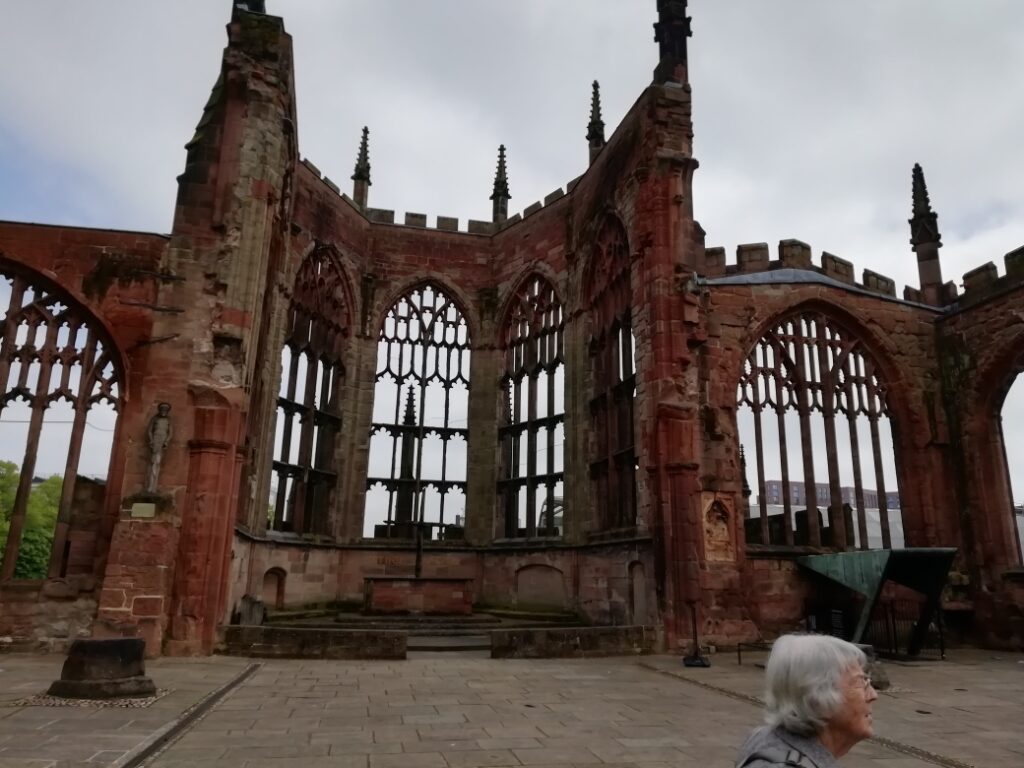
On our visit to Coventry we had guided tours round the Guildhall and Cathedral.
The Guildhall


Amazingly the restored medieval Guildhall mostly survived the bombs of the World War II. Its treasures were moved to safety during that time, and returned afterwards.
Coventry Cathedral
We walked round the ruins of the old cathedral which was bombed in the second World War. From there we moved on to the adjacent new Cathedral. This stunning building was designed by Sir Basil Spence and completed in the early 1960's.